
Whoa! I remember first clicking „connect” on a Solana app and feeling that tiny rush—like opening an app on a new phone. Seriously? It was equal parts excitement and terror. My instinct said: don’t trust the pop-up. At the same time, curiosity won. Initially I thought browser extensions were a security nightmare, but then I started using Phantom and things changed—slowly, practically, and with a few scrapes that taught me how to be smarter about keys and approvals.
Here’s the thing. Phantom nails the on-ramp for people who want to hold SOL, collect NFTs, and jump into DeFi without wrestling with CLI tools or command lines. It’s clean. The UI is friendly. Transactions are fast. And because Solana confirmations are quick, that buttery experience feels immediate—like texting a friend. But there are real trade-offs. Extensions live in your browser environment, which means a compromised browser can be a problem. Oh, and by the way… phishing is everywhere, so pay attention.
When I first set up Phantom, I created a wallet, skipped screenshots, and muttered something about backups with a shrug that still bugs me. Later I had to fix that. Lesson learned: seed phrases are not just words you save in a note app. They belong offline, written down or stored in a hardware wallet. My experience pushed me toward using Ledger with Phantom for bigger balances. On the other hand, for quick NFT drops and day-to-day swaps, the extension is unbelievably convenient. It’s a balancing act—convenience vs. custody control—and you have to choose knowingly.
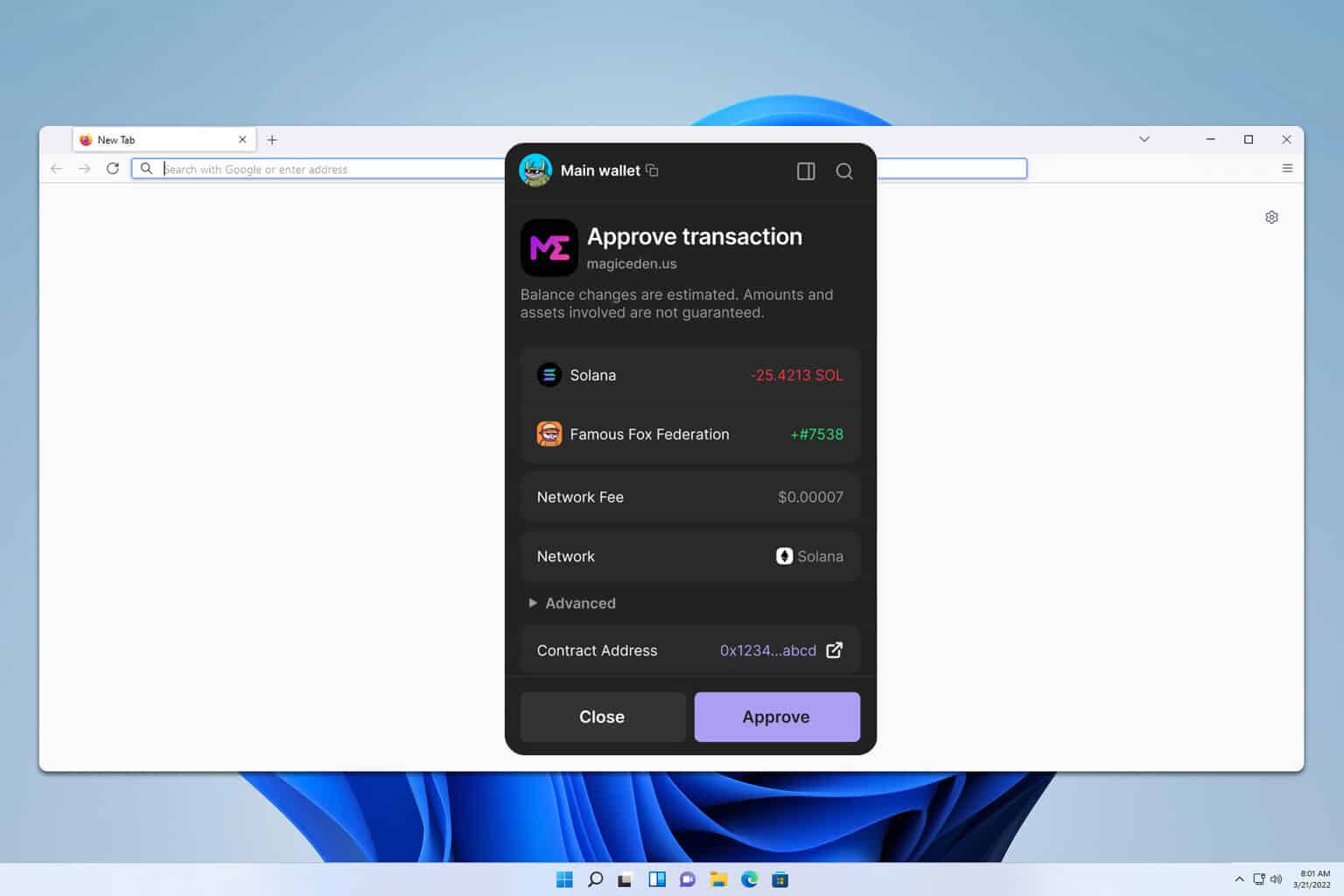
Download and setup — quick practical guide
Okay, so check this out—if you’re looking for the Phantom wallet download extension, you can find it here. This step-by-step is what I do every time I put Phantom on a new machine: install, verify the publisher in the store, create a fresh wallet, write down the seed, set a strong password for the extension, then toggle any privacy/analytics options I don’t want. I’m biased toward a cautious approach—double-check the extension ID, compare it on the official Phantom channels, and look for the verified badge in the Chrome Web Store or the corresponding store for your browser.
Some tips from real use: enable the „Auto-Lock” timer (and set it short). Use hardware wallet integration for funds you can’t afford to lose. If you’re collecting NFTs, be very careful with „Sign transaction” prompts—read the description. My instinct flagged a bad approval once and saved me from a costly mistake. Initially I thought every approval was harmless, but after one awkward interaction (and a frantic Discord post), I actually rewrote how I approve contracts.
Phantom’s features that actually matter day-to-day are simple: token list management, swap built into the extension, NFT gallery, and cross-site connection management so you can see which dapps have permission. The interface gives you a log of connected sites. Use that. Revoke access when you’re done. On one hand it’s effortless to zap through mint pages; on the other hand, somethin’ about auto-connect options can lull you into habit—so don’t let it.
Security checklist (short): back up seed offline, use hardware wallet for large amounts, audit connected sites, avoid copying seeds into cloud notes, and update the extension promptly. Also, keep your browser up to date. Sounds basic, I know. But very very important.
Now a few nuances most guides skip. Phantom supports SOL and SPL tokens and makes NFT viewing straightforward, but not every token or contract behaves the same. Some dapps ask for broad approvals or request authority to move tokens—those are the red flags. I got burned once by assuming „approve” = safe; lesson—approve only minimal allowances when possible, and use escrow-like patterns or dedicated spend allowances when supported.
On UX: Phantom started as an extension-first product, and it shows. The onboarding is slick, and the in-extension swap uses Serum or integrations that often find decent prices. But the market routing isn’t always the absolute cheapest, especially for obscure pairs. If you’re a frequent trader, you might still prefer a dedicated DEX UI or aggregator, though Phantom will cover 90% of casual needs.
Also, Phantom’s NFT gallery makes showing off a new piece easy—great for collectors. If you’re hunting Solana drops, quick connect and a good auto-lock setting will keep you nimble without losing safety. Honestly, that convenience is what keeps me returning to the extension, even when I fuss about security.
FAQ
Is the Phantom browser extension safe?
Yes, relatively. Phantom is widely used and well-regarded, but safety depends on your habits. The extension itself follows common security practices, yet your browser and machine matter too. Use a hardware wallet for large holdings, verify extension sources, and never paste your seed phrase online. My instinct says treat any wallet like cash you’d carry downtown—protect it.
Can Phantom hold NFTs?
Absolutely. Phantom supports NFTs on Solana and has an in-wallet gallery to view them. It also integrates with minting sites for drops, though you should be cautious with contract approvals during mints—some steps are automatic, some require manual confirmation.
Where should I download Phantom?
Official channels like the Chrome Web Store or the browser’s official add-on store are recommended. If you’re following a specific link, verify it’s legitimate before installing. You can access a download resource from this guide here—and then double-check that the extension publisher is Phantom and has the expected verified badge.







Najnowsze komentarze